Editorials
Bill 5 (Protect Ontario by Unleashing Our Economy Act) continues to raise concerns, despite its rapid passage. There are issues around oversight and democratic procedures. An informal coalition of individuals and groups has formed to explore these concerns through the voices in our community that will be affected. We invite you to learn about what is in Bill 5, along with us in this series of opinion editorials.
ORDER A SIGN

DONATE
INDIGENOUS VOICE AND CONSENT
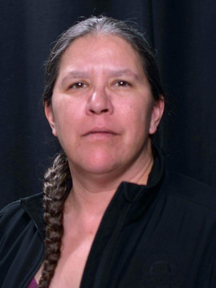
CORY BILYEA
The path forward is through consultation and collaboration
The Ontario Government says it will honour the duty to consult Indigenous People, but what exactly does that mean? How they plan to conduct this consultation is a mystery, as the government itself isn’t clear on what that looks like. The current passage of Bill 5 leaves more doubts than assurances that the government will actually put any real effort into fulfilling their duty.
As we wait with bated breath for the Ontario Legislature to return to work to see what happens next, it might be worth noting that settler governments have not practiced meaningful dialogue with First Nations in any way, shape, or form since 1492. A trail of broken treaties, forced relocations and the ever encroaching stream of settlers in need of more land don’t really help me to put my faith in their words now.
AGRICULTURE

LUCAS TINGLE
Our agriculture is at a dangerous crossroads
Globally agriculture uses 40% of the earth’s land mass. Approximately 4.8 billion hectares of the earth’s surface is being farmed currently. Estimates fluctuate, but generally it is agreed that it takes 1 acre of land to nourish each person on the planet. Currently there are 8 billion people who need to eat today; 41 million of those in Canada alone.
Agriculture is not a closed loop. The answer isn’t as simple as creating more farm land so that we can support a growing population. Other elements need to be considered: fertility, machinery, clean water, reliable energy, and a stable climate are a few factors that extend beyond just requiring land to support agriculture and our plates. .
ENDANGERED SPECIES
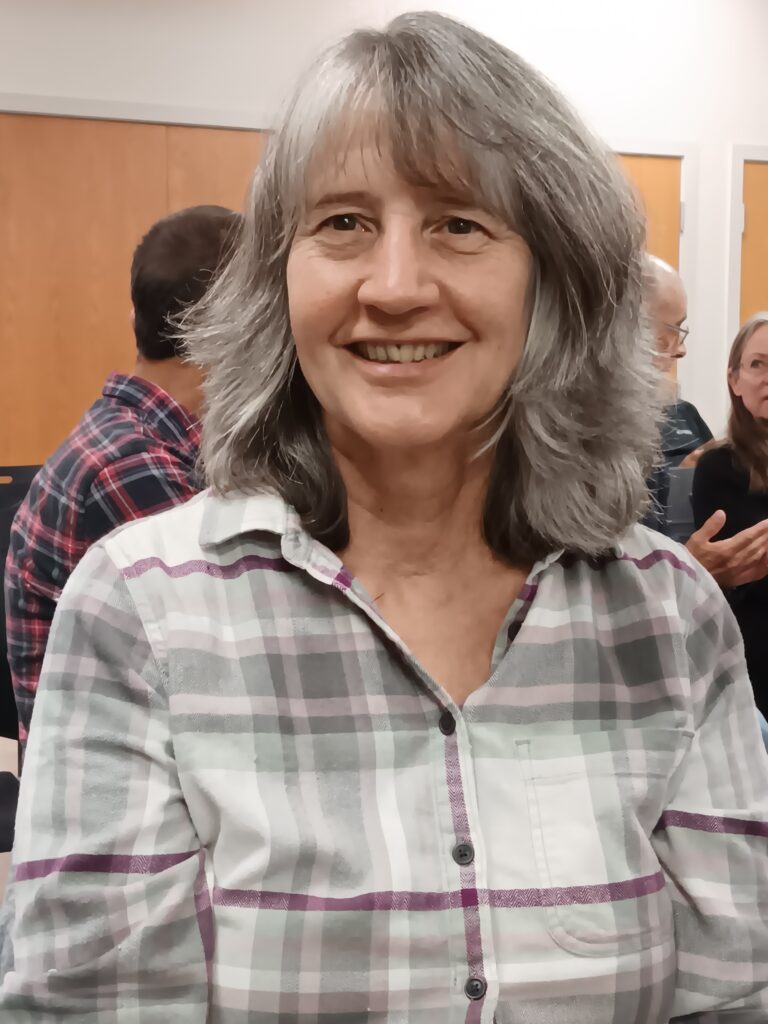
ANITA JACOBSEN
The Species Conservation Act: weaker protections, species at risk
The nest was huge! In the top of the tallest tree in the woodlot, close to the edge, complete with an eagle perched within, its white head shining in the sunlight. It was the first Bald Eagle I had ever seen. It was also one of only 3 Bald Eagle pairs left in Southern Ontario in the early 1980’s.
Historically Bald Eagles were common in southern Ontario, until the advance of land-clearing for agriculture in the late 1880’s which virtually wiped them out. Legislation allowed numbers to recover to about 100 breeding pairs in the 1950s, but then came the widespread agricultural use of DDT, an insecticide, and the numbers of eagles crashed again. Eagles eat fish, not insects, but DDT ran off fields and into waterways, where it was absorbed by fish and other aquatic organisms. In every step up the food chain, the chemical’s concentration increased, causing eagle eggshells to thin so drastically they could no longer successfully incubate them.
YOUTH
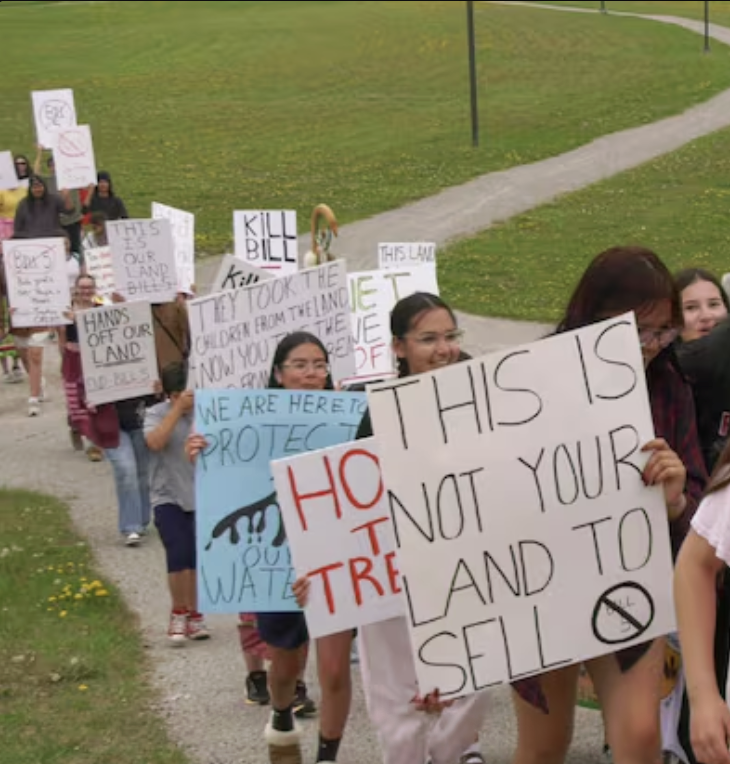
CAMILLE DITTY
NATALIE DITTY
Don't give up in your efforts against Bill 5
Lazy, unengaged, unmotivated—these are all words I’ve heard used to describe people in my generation. We’ve also been told that we are the last generation – the last generation with a chance to undo the wrongs of the past, to reverse climate change. Imagine how that feels. So much weight falls on the shoulders of a generation, yet only about half currently have the right to vote for the governments that control our future.
So now, imagine how we feel when the government, which is supposed to be making decisions with our best interests in mind, passes a bill which practically guarantees that our future is going to be destroyed.
Bill 5 will allow this government to plough over forested areas. Forests provide life; they provide the very thing that keeps humans alive, oxygen. On average, a human cannot survive without oxygen for more than three minutes.
INDIVIDUAL RIGHTS/ DEMOCRACY
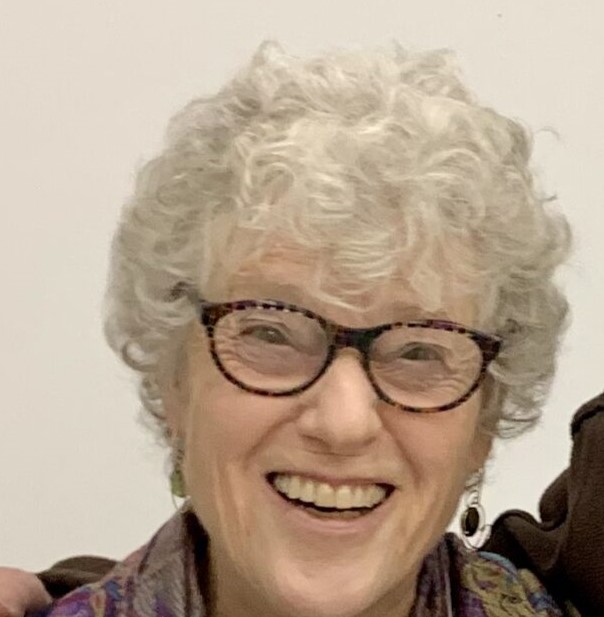
SHEILA CLARKE
Make no mistake: our democracy is threatened by Bill 5
In Canada, we take pride in our legal system. We describe our society as based in law. In theory, our laws are consistent; they protect everyone and they apply to everyone. This is particularly important with regard to individual rights and democracy. We are a Parliamentary Democracy which means we elect our representatives by the beliefs and the philosophies they hold. The head of state is a member of parliament, in place at the pleasure of his or her party members, and the voting public which has elected that party. This structure is in place federally, and provincially. Above all, and surrounding us all, is the importance of the Legal system. We are all subject to the law.
The law has taken an interesting turn. In recent years, new laws dealing with a particular topic came before the Legislature after a relatively lengthy period of research and public input, ranging from professional and scientific groups to individual citizens. The final products of these processes were voted into laws by which we are governed.
MUNICIPALITIES

MARK HUNTER
Haste in decision making is always foolish
I have been asked to comment on Bill 5 from a municipal perspective. Bill 5 paved the way for the Special Economic Zones Act (the “Act”) which allows many current rules to be set aside so that certain “Designated” projects can be completed faster. In the municipal context, the Act allows Cabinet to over-ride municipal by-laws (including official plans) which impede the Designated Project. There is little guidance as to which projects may be Designated but it seems to be anything the province thinks is important enough to justify setting the normal rules aside.